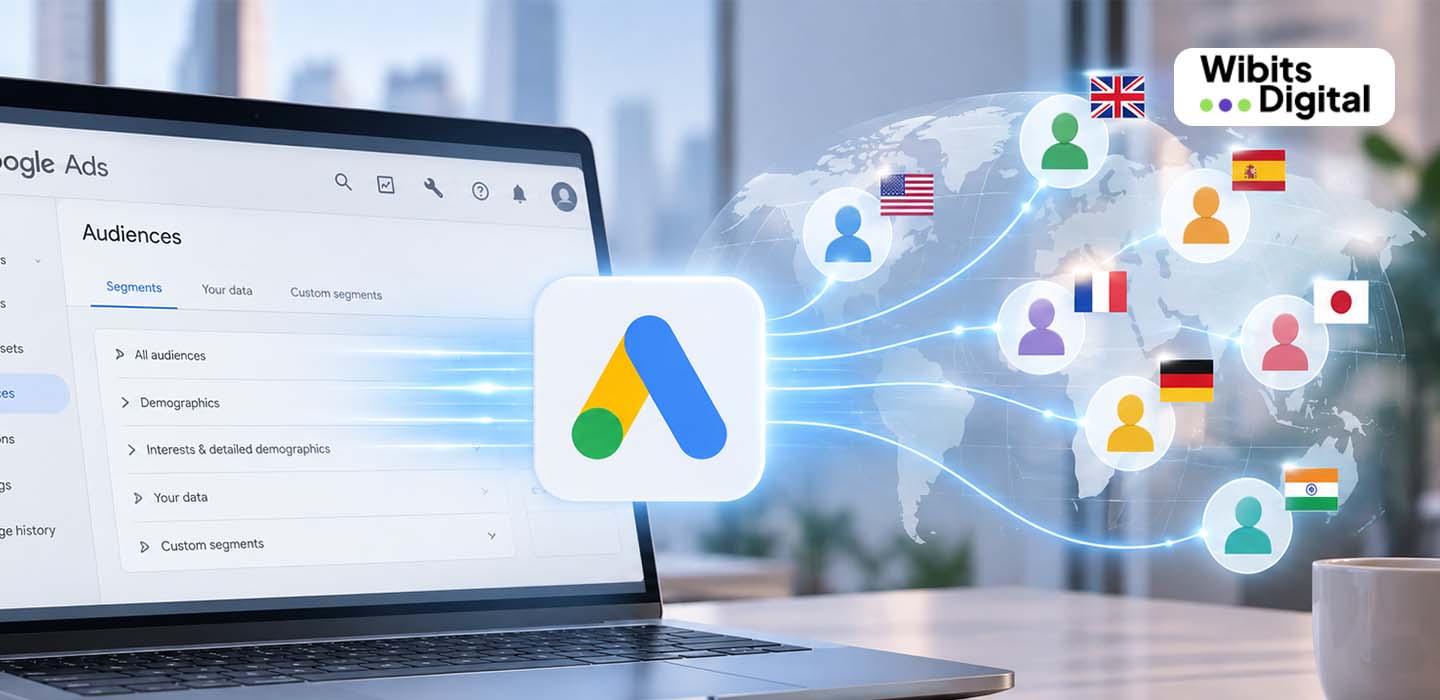
Google Ads is making another change that PPC advertisers should pay attention to. Starting in late September 2026, Google is changing how language targeting works for Search campaigns and the Search portion of Performance Max campaigns.
At first glance, this may sound like a small settings update. But for businesses running campaigns in multiple languages, it could change how ads are organized, written, and matched with potential customers.
Google is moving away from campaign-level language targeting for Search and relying more heavily on the language of the ads and other signals. So, are your PPC campaigns ready for the change?
What Is Changing?
For years, advertisers have been able to select languages at the campaign level in Google Ads. This gave advertisers another way to indicate which language-speaking audiences they wanted their Search campaigns to reach.
That approach is changing.
According to Google’s official announcement about Google Ads language targeting changes, campaign-level language targeting will be removed for Search and AI Max for Search campaigns in late September 2026.
Instead, Search ads will automatically match based on the language of the ads, along with Google’s existing signals about the user’s search and language understanding.
Google’s language targeting documentation explains that its systems can consider signals such as the language of the search query and the languages a user understands.
In practical terms, advertisers will have less reliance on a language setting inside the campaign and more responsibility for providing clear, relevant ad assets.
What About Performance Max?
The change works a little differently for Performance Max campaigns.
For the Google Search portion of Performance Max, the campaign-level language setting will no longer apply. Google will instead use the language of available ads and its other signals when determining which ads are relevant.
However, language settings are not disappearing completely from Performance Max.
Google says campaign-level language targeting will continue to guide targeting on other channels, including YouTube, Display, Discover, and Gmail.
There is also an important exception for Shopping ads within Performance Max. Google says the language setting does not affect Shopping ads.
Advertisers running Performance Max campaigns therefore need to understand where the new rules apply rather than assuming that language targeting is being removed from the entire campaign.
Why Does This Matter for Multilingual Campaigns?
Consider a business that sells its services to customers who speak English, Spanish, and French.
Previously, the advertiser could use campaign-level language settings as part of the process of separating and managing those audiences.
With the new approach, the actual advertising assets become even more important.
If you have English, Spanish, and French campaigns or ad variations, your messaging should make the intended language clear. Headlines and descriptions should sound natural rather than looking like direct translations.
This matters because good multilingual PPC isn’t simply about translating keywords and advertisements.
A customer who searches in Spanish should ideally see an advertisement that feels naturally written for a Spanish-speaking audience. When they click, the landing page should continue that experience.
Don’t Forget Your Landing Pages
One of the easiest things to overlook when preparing for this change is the landing page.
Google recommends that advertisers focus on the language of their ads and landing pages as the update takes effect.
Imagine clicking on a Spanish advertisement and arriving at an English-only landing page. Even if the advertisement attracted the right person, the disconnect could make that visitor less likely to continue.
Before the change takes effect, review your important multilingual campaigns and ask:
- Are the ads written naturally in the intended language?
- Do the landing pages use the same language?
- Are calls to action translated correctly?
- Does the page content match the promise made in the ad?
- Are your different language versions clearly organized?
These details can make a significant difference to the experience after the click.
Do You Need to Rebuild Your Campaigns?
Not necessarily.
Google has said that existing Search and AI Max for Search campaigns will continue operating when the change takes effect. The existing language settings simply won’t be used for Search targeting in the same way.
That means advertisers don’t need to panic and rebuild their entire Google Ads account.
Instead, this is a good opportunity to perform a focused campaign review.
Start by identifying campaigns that depend heavily on language targeting. Then look at the advertisements associated with them.
If you have multiple languages within the same advertising strategy, check whether your ad assets clearly communicate which audience they are intended for.
It’s also worth monitoring performance once the change rolls out. Watch for unexpected changes in traffic, conversions, search terms, or performance between different language variations.
The data will tell you whether your current structure continues to work or needs adjustment.
Also read: AI Is Changing How People Search. Should You Change Your PPC Campaigns?
Another Sign of Google’s AI-Driven PPC Direction
This update is part of a larger change happening across Google Ads.
Google is increasingly relying on automation and AI to determine which ads, assets, audiences, and signals are most relevant to individual searches.
Language targeting is one example of that shift. Instead of advertisers manually controlling every targeting signal, Google is putting greater emphasis on the quality and relevance of the information advertisers provide.
This is happening alongside other Google Ads changes in 2026. For example, Google has announced that certain campaigns using campaign-level broad match settings will begin being automatically upgraded to AI Max during September. You can read Google’s AI Max upgrade guidance for more details.
The broader lesson for PPC teams is simple: campaign structure still matters, but the quality of your creative and the signals you give Google’s systems are becoming increasingly important.
What Should Advertisers Do Before September?
There is no reason to make drastic changes simply because of this update.
Instead, use the time to audit your campaigns.
Review your language-specific advertisements and landing pages. Check whether the messaging is consistent from the search result through to the conversion page.
If you’re managing campaigns in several languages, make sure each language has strong, natural ad copy rather than relying on awkward translations.
Also keep an eye on your campaign performance after the change goes live. A small shift in how traffic is distributed could reveal areas where your campaign structure needs improvement.
Most importantly, don’t treat language as just another campaign setting. Think about the complete customer journey from the search query to the ad and finally to the landing page.
Final Thoughts
Google’s September 2026 language targeting change may look like a technical adjustment, but it reflects a much bigger shift in how PPC advertising is managed.
For Search campaigns, advertisers will no longer rely on campaign-level language settings in the same way. Google’s systems will increasingly determine relevance using the language of the ads, search context, and other available signals.
The best response isn’t to panic or restructure everything overnight. It’s to make sure your campaigns are giving Google clear signals.
Strong ad copy, well-organized multilingual assets, and relevant landing pages will become even more important as Google continues moving toward AI-driven campaign management.
If keeping up with changes like these feels challenging, Wibits Digital can help you build and manage PPC campaigns that are designed around the evolving Google Ads landscape. From campaign strategy and ad management to conversion tracking and ongoing optimization, the right PPC approach can help you stay focused on performance while the advertising platform continues to change.