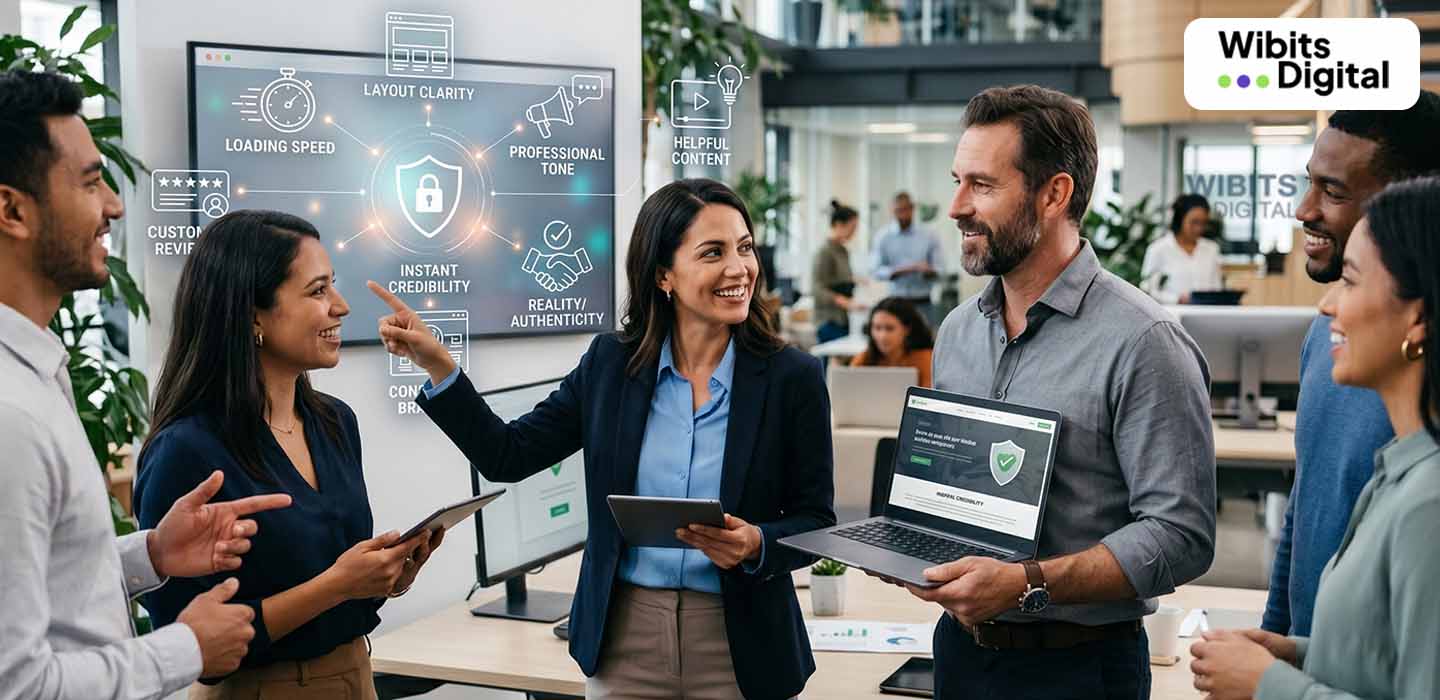
People decide surprisingly fast whether they trust a business online. Sometimes it happens within seconds. They land on a website, scroll a little, check a few things almost automatically, and form an opinion before they even realise it.
The interesting part is, trust online usually has less to do with flashy marketing than businesses think. Most of the time, it comes down to smaller details quietly working together.
First Impressions Happen Faster Than Businesses Expect
Before someone reads about your services or pricing, they notice the overall feeling first.
Things like:
- website layout
- clarity
- professionalism
- loading speed
- tone of writing
- consistency
People may not consciously analyze all of it, but they notice when something feels outdated, confusing, or overly aggressive. Once trust drops early, it’s hard to recover it later.
Clear Communication Builds Trust Quickly
One of the biggest trust signals online is surprisingly simple: Clarity.
People trust businesses that explain things clearly without trying too hard to impress them. Confusing language, exaggerated promises, or too much marketing jargon usually has the opposite effect.
Readers often respond better to businesses that sound:
- straightforward
- honest
- human
- easy to understand
That applies to websites, emails, ads, and even social media posts.
People Research Businesses More Than Ever
Years ago, customers might contact a business after seeing one advertisement.
Now people usually:
- check reviews
- visit websites
- browse social media
- compare competitors
- search Google multiple times
Trust builds gradually across all those small interactions. That’s why consistency matters so much online.
Helpful Content Feels More Credible Than Constant Promotion
This is something many businesses are starting to realize. People don’t enjoy feeling “marketed to” all the time. But they do pay attention to content that genuinely helps them understand something.
For example:
- useful blogs
- educational videos
- practical guides
- clear explanations
That kind of content makes businesses feel more knowledgeable and approachable at the same time.
Design Matters More Than People Admit
Even when people say they only care about the service, presentation still affects trust heavily. A messy or outdated website creates hesitation immediately.
On the other hand, businesses with:
- clean layouts
- readable content
- consistent branding
- professional visuals
usually feel more reliable before a customer even contacts them. People often associate professionalism online with professionalism offline.
Businesses That Feel “Real” Usually Build Trust Faster
One thing people notice quickly is authenticity. Websites that sound overly scripted or overly corporate often feel distant.
But businesses that show:
- real experiences
- natural communication
- honest information
- consistent personality
tend to feel easier to trust. Sometimes even small things like conversational writing, make a business feel more approachable.
Reviews and Reputation Still Matter a Lot
People trust other customers more than advertisements. That’s why reviews, testimonials, and online reputation still influence decisions heavily. Even when people don’t read every review carefully, simply seeing active customer feedback creates reassurance.
The absence of reviews often creates more doubt than businesses realise.
Consistency Across Platforms Builds Confidence
Customers notice inconsistency quickly. If the website feels professional but social media looks abandoned, trust drops slightly. If advertisements make huge promises but the content feels weak, people become skeptical.
Businesses that maintain consistency across websites, social media, ads, branding, communication usually feel more established overall.
Advertising Still Works But Trust Matters First
Paid advertising can absolutely help businesses grow. But even strong advertising struggles if trust is missing once people click.
That’s why areas like PPC management and Google ads management work best when businesses already have a strong online presence behind the ads themselves.
Traffic alone doesn’t guarantee trust.
Local Relevance Makes Businesses Feel More Credible
People often trust businesses that feel connected to their audience or location. For example, a business searching for a PPC agency Nagercoil may naturally feel more comfortable working with a team that understands the local market rather than a completely generic service provider.
That sense of familiarity matters online more than people expect.
Why Businesses Are Focusing More on Long-Term Credibility
Online competition became crowded. Because of that, businesses that focus only on aggressive promotion often struggle to stand out long-term. The brands people remember usually do something different: They build familiarity and trust gradually instead of constantly pushing for immediate sales.
That approach tends to create stronger customer relationships over time.
What Customers Usually Decide Before Contacting You
Many businesses spend heavily on ads before fixing the trust signals already visible on their website or online presence. But visibility alone doesn’t automatically create credibility.
Teams like Wibits Digital work with businesses looking to improve areas like branding, online visibility, advertising strategy, and digital growth in a way that feels more consistent and trustworthy overall. Sometimes the strongest marketing comes from simply making a business feel easier to trust.
FAQs
1. Why do people decide quickly whether they trust a business online?
People often form opinions within seconds based on website quality, clarity, branding, and overall professionalism.
2. Does website design affect customer trust?
Yes. Clean, modern, and easy-to-use websites generally create stronger first impressions.
3. Why is helpful content important for businesses?
Helpful content makes businesses appear knowledgeable, approachable, and more trustworthy than overly promotional marketing.
4. Can online advertising build trust?
Advertising helps visibility, but trust usually depends on what customers experience after clicking the ad.
5. Why do reviews matter so much online?
Reviews provide social proof and reassurance that real customers have interacted positively with the business.